On the Road to Flood Resilience
Through a UniverCity Alliance partnership, students are helping Vernon County identify new opportunities for flood mitigation and infrastructure protection.
It was a particularly pleasant autumn day when nearly a dozen Flood Risk and Adaptation students piled into two white university vans to travel to Vernon County. The air was crisp, and the trees were just starting to turn into vibrant shades of ochre and ruby. As the class traveled toward the western border of the state, the landscape began to roll into valleys and bluffs shaped by thousands of years of weathering and erosion.
It was this distinctive landscape that brought the students to Vernon County. While its steep hills and winding streams make the Driftless Area one of Wisconsin’s most scenic regions, they also contribute to persistent flooding challenges.
Vernon County, located just south of La Crosse and in the heart of the Driftless Area, has faced decades of flooding issues that continue to evolve as weather patterns become more severe. Villages nestled in valleys, homes situated along streams, and roads located in flood zones are all severely impacted by large flooding events.
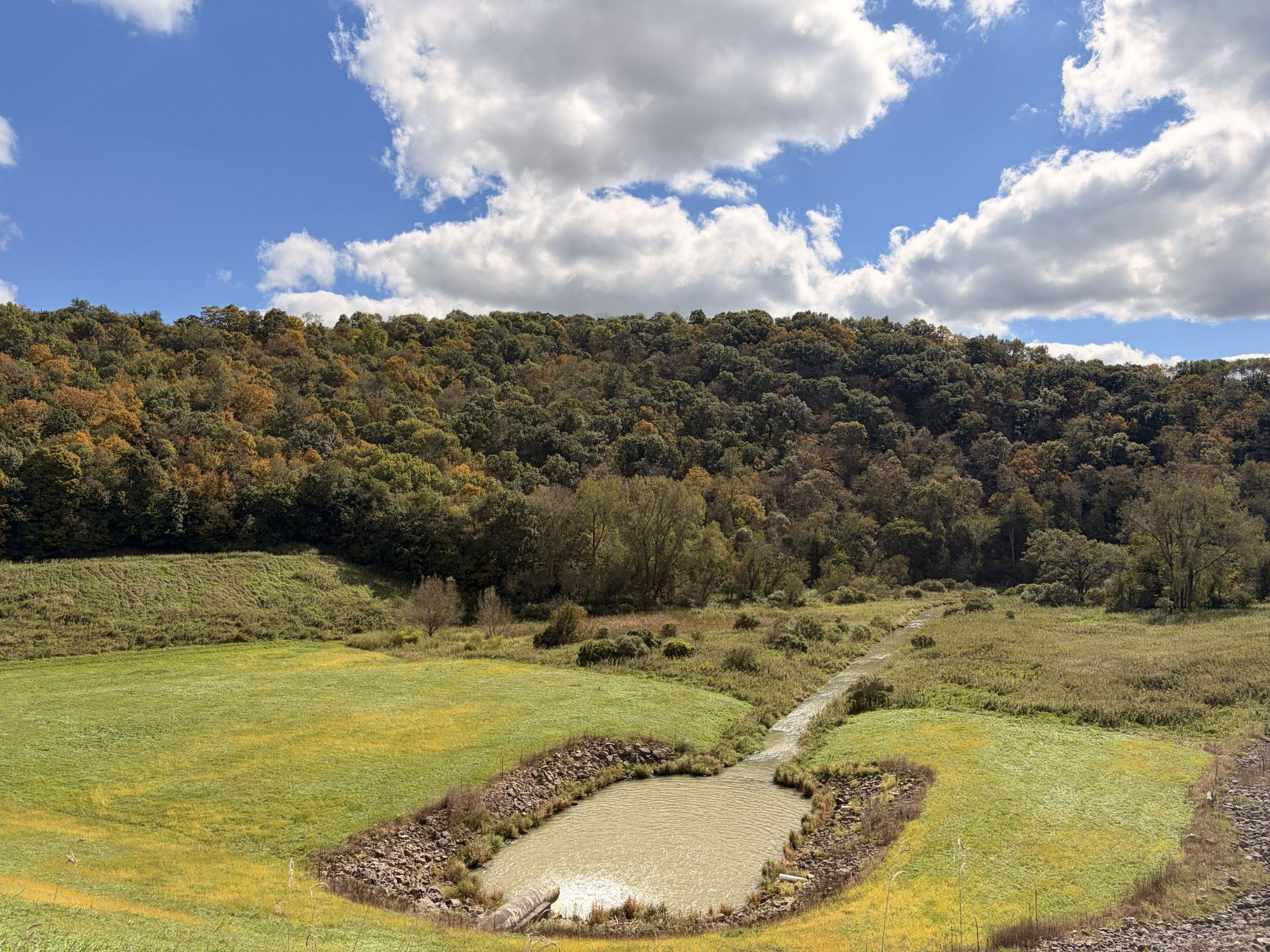
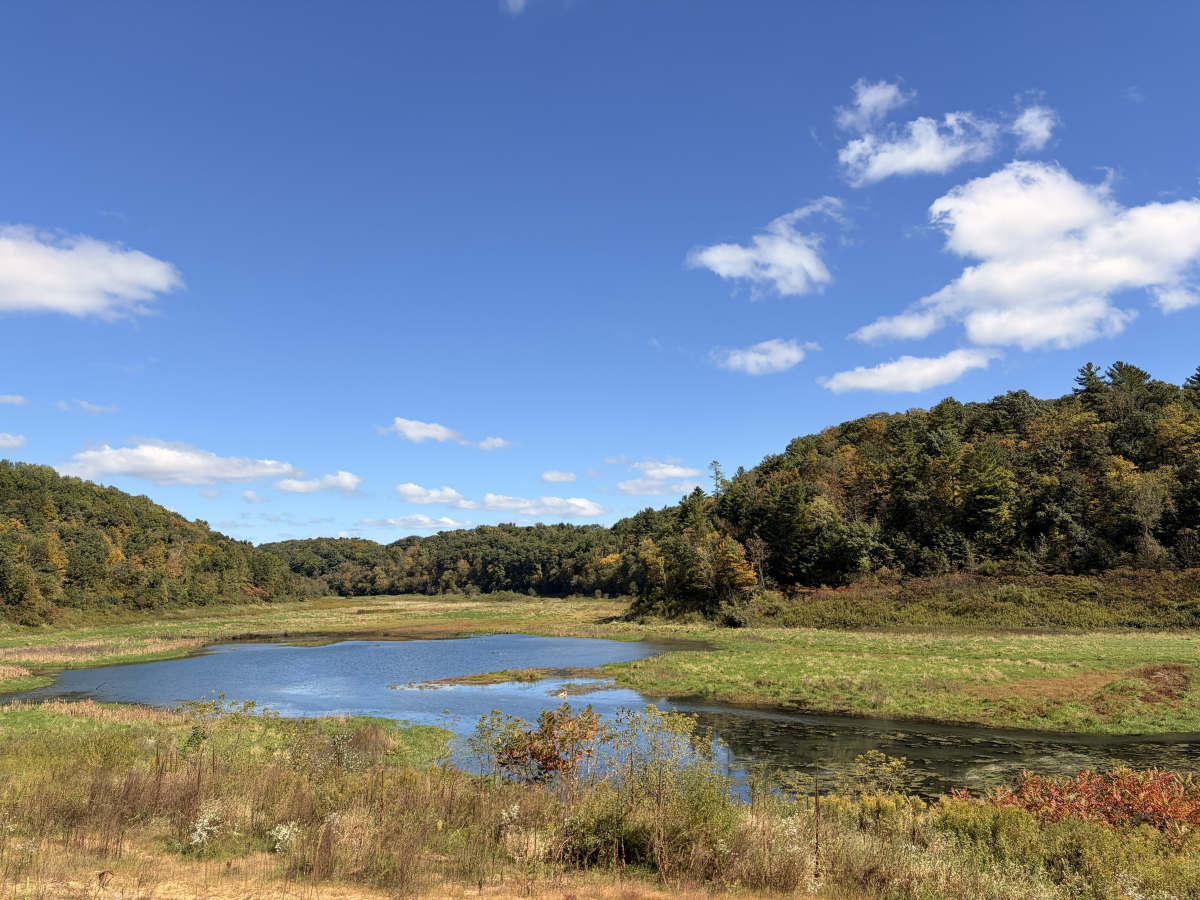
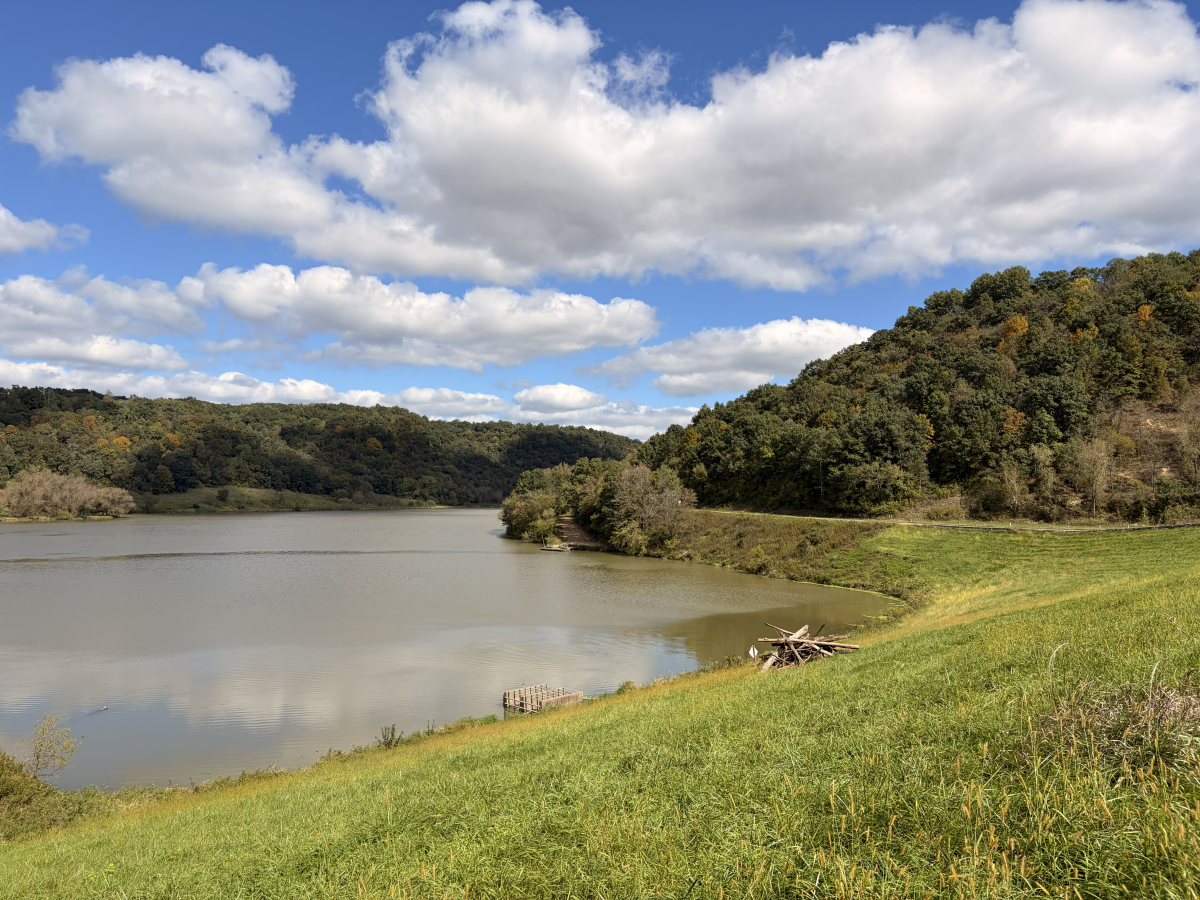
When Vernon County sees a lot of rain in a short period of time, you can expect roads to be closed, basements flooded, and driveways washed away. The impacts extend beyond just inconvenience, as the cost of constant repairs takes a toll on property owners and the county. That’s why, from 1956 to 1987, Vernon County built 22 large flood control dams in the Coon Creek, Bad Axe, and West Fork Kickapoo watersheds. While the dams have helped reduce flood impacts, they require ongoing maintenance and cannot prevent every flood event.
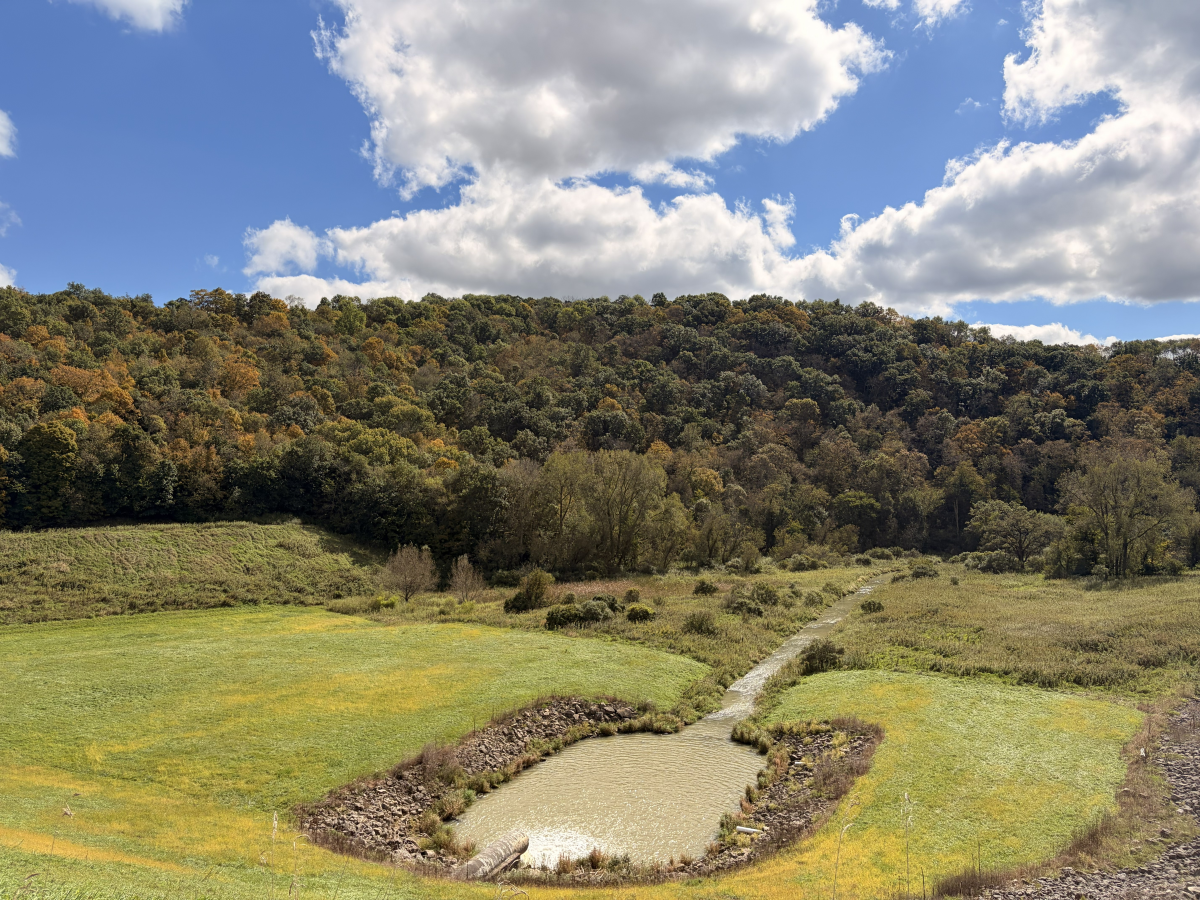
That’s where the UW–Madison students in Beth Tellman’s Flood Risk and Adaptation class come in to help. Through a partnership with UniverCity Alliance, Vernon County was matched with Tellman’s course to create a tool to identify optimal locations for on-road structures – like bridges, culverts, and drains. Tellman’s class is just one of four UCA projects partnered with Vernon County during the fall 2026 semester, all of which are working on flood-related issues.
“There’s a lot of dams throughout Vernon County that serve as flood control that are pretty old, and they’re looking to either be decommissioned and rebuilt or change the landscape,” said Brooke Cox, teaching assistant for this course. “We are currently looking at places for smaller flood mitigation investments called on-road structures to help divert water and prevent some of these larger scale floodings from happening in Vernon County.”
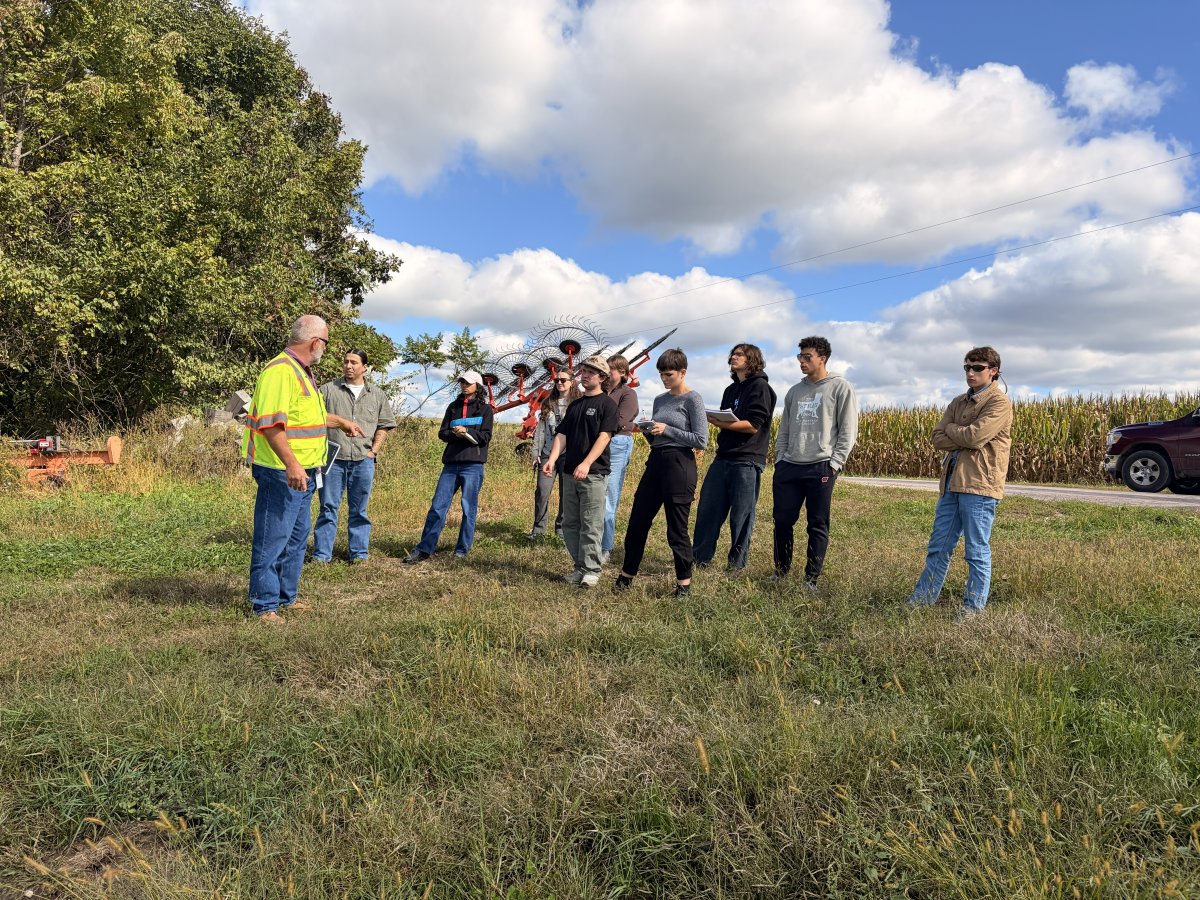
On Wednesday, September 23, the class joined Phil Hewitt, Vernon County highway commissioner, as he took the group around the county to various problem areas that the students hope to help solve.
“On our way, we’ve seen some damages where dams fail, but we’ve also seen some areas where the dams hold and what happens there,” Hewitt said.
“At the end of the day, I’m hoping that the on-road structures may help lessen infrastructure damage, but unfortunately, there’s no controlling mother nature. And when we get catastrophic storms, there’s going to be damage, but any money we can spend to help mitigate those issues, to me, is a win situation.”
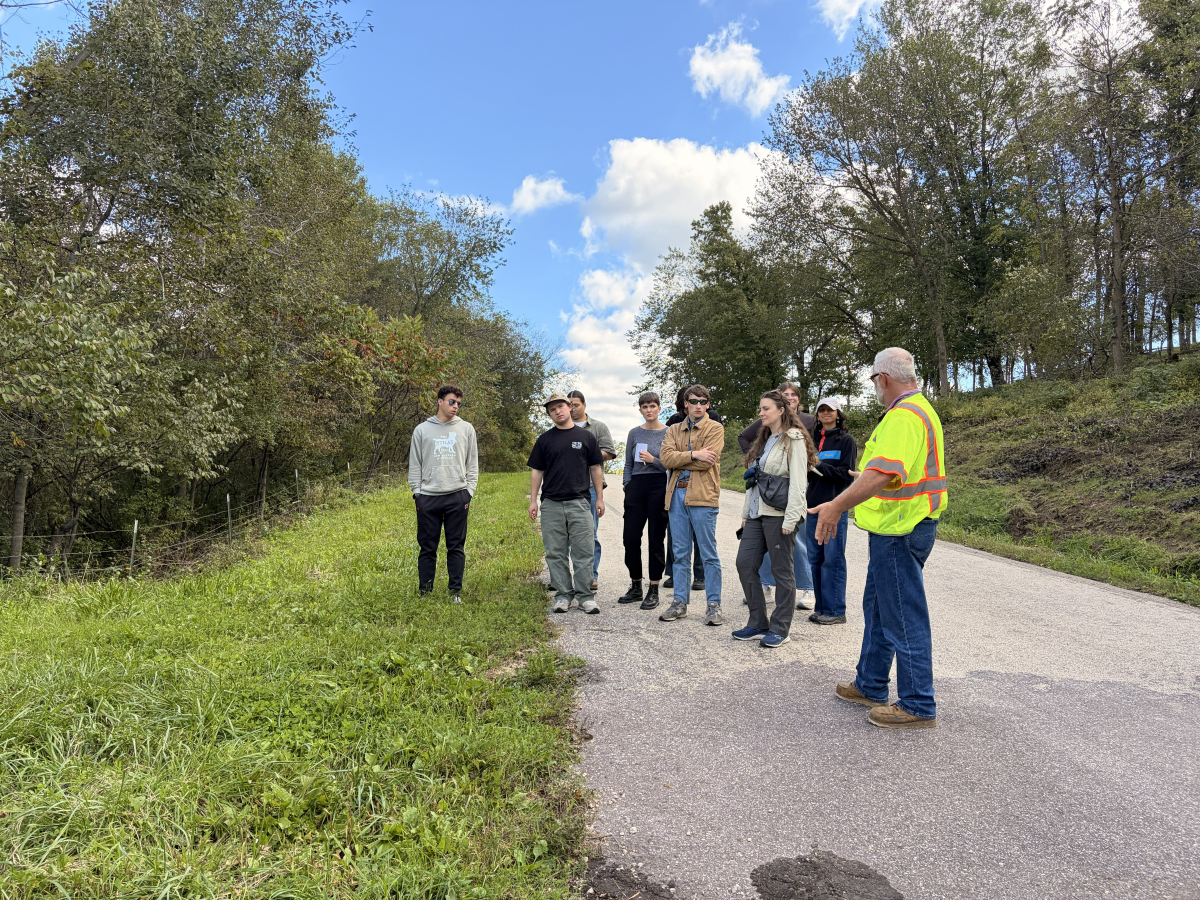
The opportunity to see flood-mitigation structures in person goes beyond just technical application. As the class traveled through the county – remarking on the beauty of the area – they saw the land, buildings, and people affected by flooding events, making the project they’re working on even more tangible.
For the students, the visit offered an opportunity to connect classroom concepts with real-world challenges. For Vernon County, it marked another step toward identifying practical solutions that could help protect roads, property, and communities from future flooding.